MPs push for urgent funding boost for Auditor General’s office
The committee, in its report, called for an increase in the OAG’s annual budget to internationally recognised standards and to the constitutional minimum of 0.5 per cent of the most recent audited national revenue.
The National Treasury has been urged to fast-track interim funding measures for the Office of the Auditor General amid concerns over the institution’s chronic underfunding and its ability to audit thousands of public entities effectively.
In a report to the National Assembly, the Constitution Implementation Oversight Committee (CIOC) argued that the current allocation of 0.20 per cent of national revenue falls far below the constitutionally guaranteed minimum, threatening the OAG’s independence and mandate delivery.
More To Read
- Judiciary faces Sh576.6 million pending bills amid budget review
- Audit flags leadership vacuum at Garissa University since 2022
- Treasury under fire for using Sh2.67 trillion in domestic loans on recurrent spending
- Auditor General calls for penalties on officers who ignore audit recommendations
- National Treasury secures Sh437.8 billion loan to plug budget deficit
- Auditor General Nancy Gathungu warns of pension losses as government delays remittances
The committee, in its report, called for an increase in the OAG’s annual budget to internationally recognised standards and to the constitutional minimum of 0.5 per cent of the most recent audited national revenue.
Besides addressing financial autonomy, the Public Audit (Amendment) Bill, 2024, also seeks to reinforce operational independence, clarify the office’s mandate and improve compliance.
“Legislative interventions, particularly the expeditious passage of the Bill, are critical to guaranteeing funding to the OAG and establishing an OAG fund to ensure operational flexibility,” the CIOC, chaired by Suba South MP Caroli Omondi, said.
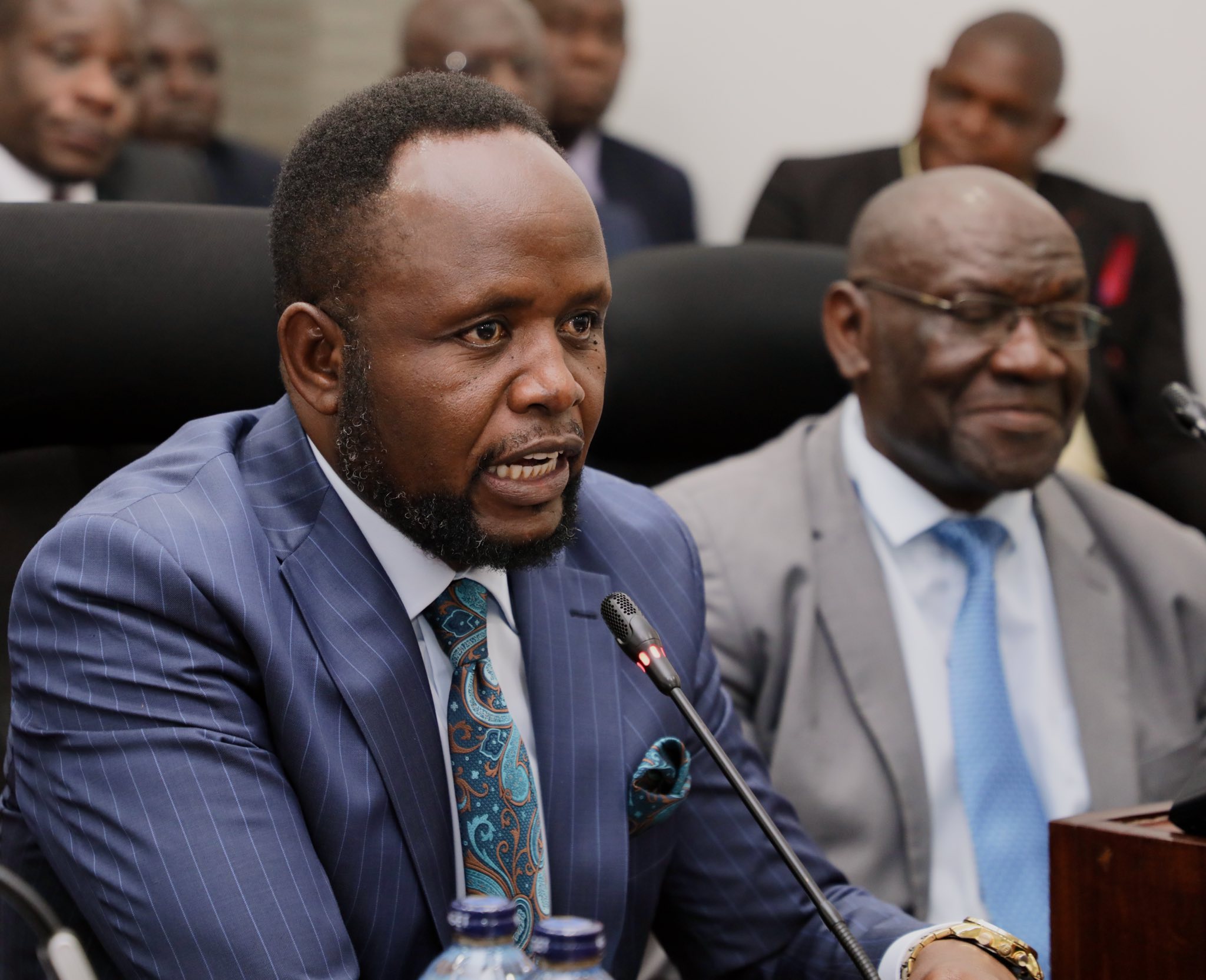
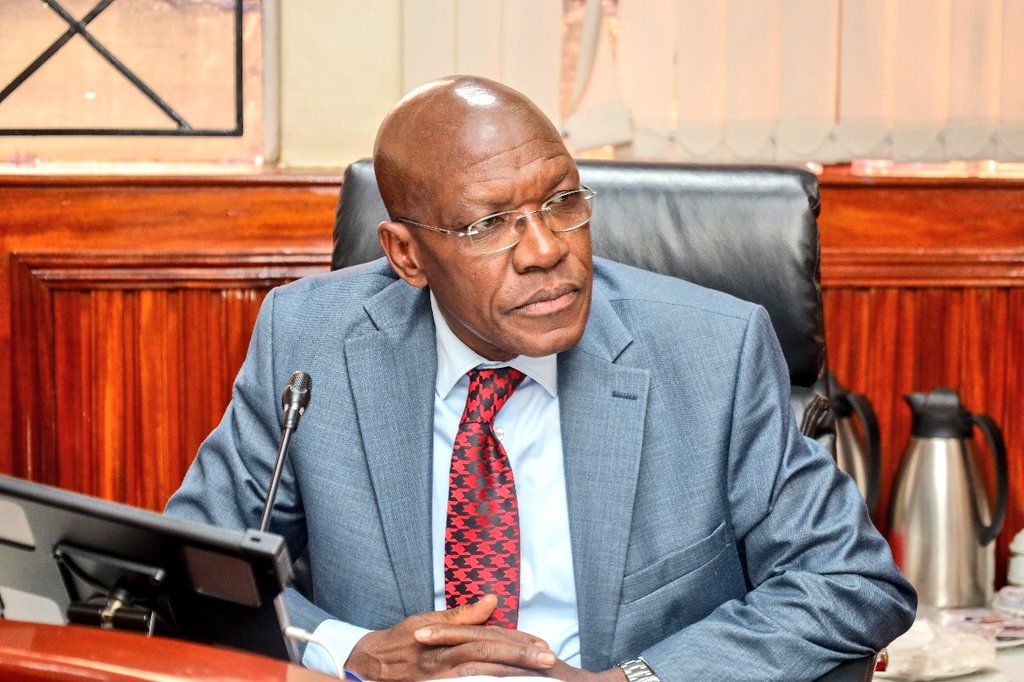
Deputy Auditor General Isaac Ng’ang’a, representing the OAG before the committee, noted that the current allocation ranks below peer institutions in South Africa and Uganda.
“This hinders mandate delivery,” he said, adding that the Bill represents a critical legislative intervention to “fortify the institutional independence of the OAG, a constitutional imperative.”
The OAG is mandated to audit and report on all public funds, resources and accounts of national and county governments, state organs, courts, and entities funded by public money. Despite underfunding, the office’s audit scope has surged 917 per cent over eight years, from 1,192 entities in 2016/17 to over 12,700 in 2023/24.
The expansion includes level 4 and 5 hospitals, public secondary schools, TVET institutions, municipalities and newly created funds such as the Social Health Insurance Fund and the Primary Healthcare Fund.
The OAG also conducts performance audits, submitting at least 50 reports to Parliament, though only two, the 2023 Flood Response and 2021 Services for Persons with Disabilities, have been debated.
“The Bill’s passage would elevate Kenya’s standing by institutionalising safeguards against political and fiscal challenges,” reads the report.
It also states that anchoring funding to a fixed percentage would reduce reliance on discretionary Treasury allocations and mitigate arbitrary budget cuts.
The Bill proposes establishing an OAG fund to allow the office to manage its finances independently, enabling flexible allocation to emerging priorities like forensic audits, climate action assessments and cybersecurity audits without ad hoc approvals.
According to Ng’ang’a, this financial self-determination is vital for impartiality, particularly when auditing politically sensitive entities.
It also clarifies the OAG’s authority to audit public funds held by private entities, following High Court rulings and addresses ambiguities in the Public Audit Act that have caused jurisdictional disputes and non-compliance.
By codifying the office’s expanded mandate, the Bill ensures audits and reporting are carried out without interference, in line with judicial precedents, including the 2024 High Court decision affirming strict adherence to constitutional audit timelines.
Top Stories Today